
Modern poker success depends on the ability to adapt to different opponents at the table. Every player shows unique patterns, making observation and adjustment essential for consistent improvement. Learning how to read behavior and respond with flexible strategy helps create a strong competitive edge. Concepts like gto wizard are often used by players to understand balanced decision-making while still learning how to adjust effectively in real-game situations. By combining structured thinking with opponent analysis, players can refine their approach and stay ahead in changing game dynamics. No single strategy works in every situation, so adaptability becomes the core of long-term poker growth.
Understanding Opponent Behavior
In poker, recognizing how opponents behave is one of the most powerful skills a player can develop. Some players act aggressively, frequently raising bets, while others prefer a more cautious and defensive approach. By paying attention to betting patterns, timing, and reactions, players can gain valuable insights into what type of strategy their opponents are using. Observing small details, such as hesitation before a call or sudden aggression after a passive round, can reveal hidden intentions. Over time, this awareness helps players predict moves more accurately and respond with stronger decisions. Building this skill takes practice, but it significantly improves long-term performance and helps create more controlled and confident gameplay at the table.
Adjusting Strategy Dynamically
Adapting strategy during gameplay is what separates average players from advanced ones. When players actively adjust based on opponent behavior, they increase their chances of making profitable decisions in every round.
- Identify aggressive players and counter them with tighter defensive play and selective aggression.
- Exploit passive opponents by increasing value bets and applying consistent pressure throughout hands.
- Adjust bet sizing based on how opponents react to pressure and board texture changes.
- Observe timing tells to understand hesitation, confidence, or uncertainty in decision-making moments.
- Shift between aggressive and cautious styles depending on table dynamics and player tendencies.
Mastering these adjustments allows players to stay unpredictable while maximizing value from every situation at the table.
Practical Application
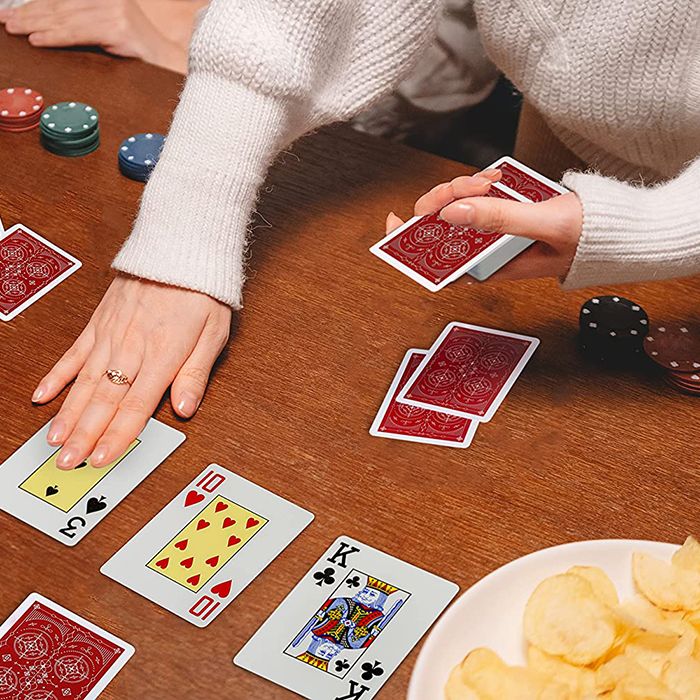
Putting strategy adjustments into practice requires patience and focus. Players should consistently review past hands to understand where adjustments worked and where improvements are needed. Over time, this reflection builds stronger decision-making habits and sharper instincts during live play. Combining observation with structured strategy helps create a balanced approach that performs well in different game environments. The more a player practices adapting to behavior, the more natural it becomes to make profitable choices without hesitation. This ongoing development leads to stronger overall performance and more enjoyable poker sessions.
Conclusion
Adapting poker strategy based on opponent behavior is a powerful way to improve results and build long-term success. By staying observant, flexible, and thoughtful in decision-making, players can consistently gain an edge in every session. This approach encourages smarter play, better control, and more rewarding outcomes over time. With practice and patience, strategic adjustments become second nature, leading to a more confident and effective poker experience overall.